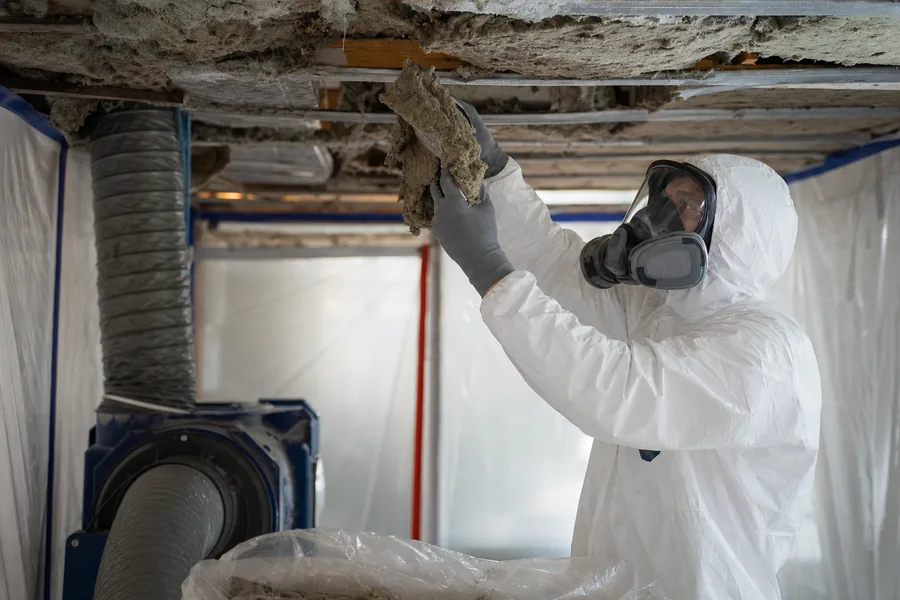
Asbestos Abatement
Licensed removal of asbestos-containing materials inside fully sealed, negative-pressure containment — compliant with CT DPH, OSHA 29 CFR 1926.1101, and EPA NESHAP.
Learn moreWhat services does Total Environmental Containment offer?
Total Environmental Containment provides three core services in Connecticut: (1) asbestos abatement, (2) engineered hazardous-material containment, and (3) hazardous waste removal and disposal. All work is performed by licensed crews to CT DPH, OSHA, and EPA standards, with documentation suitable for insurance claims.
Licensed removal of asbestos-containing materials inside fully sealed, negative-pressure containment — compliant with CT DPH, OSHA 29 CFR 1926.1101, and EPA NESHAP.
Learn more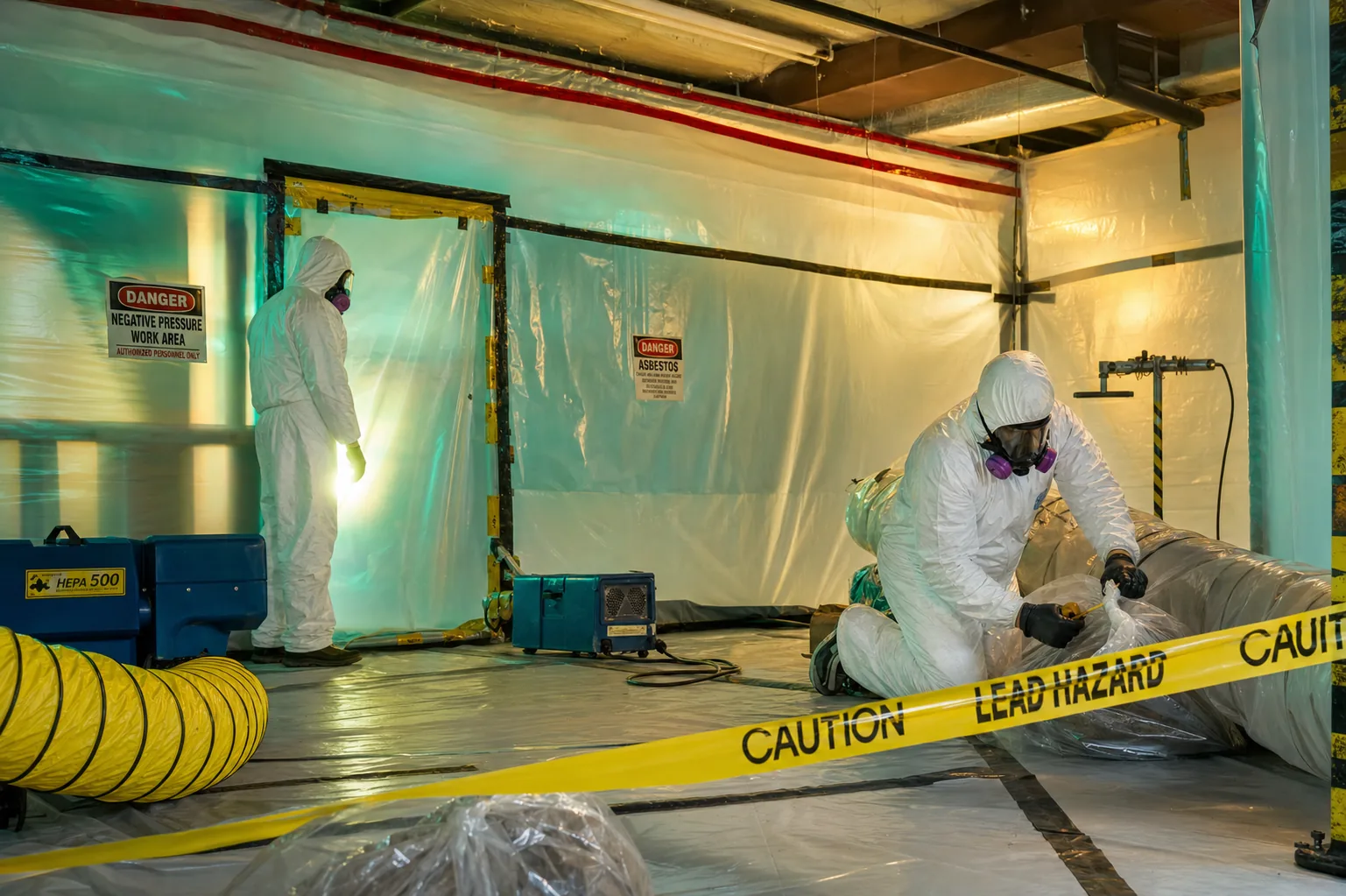
Engineered negative-pressure enclosures, 3-stage decontamination chambers, airlocks, and critical barriers built to isolate hazards and protect occupants.
Learn more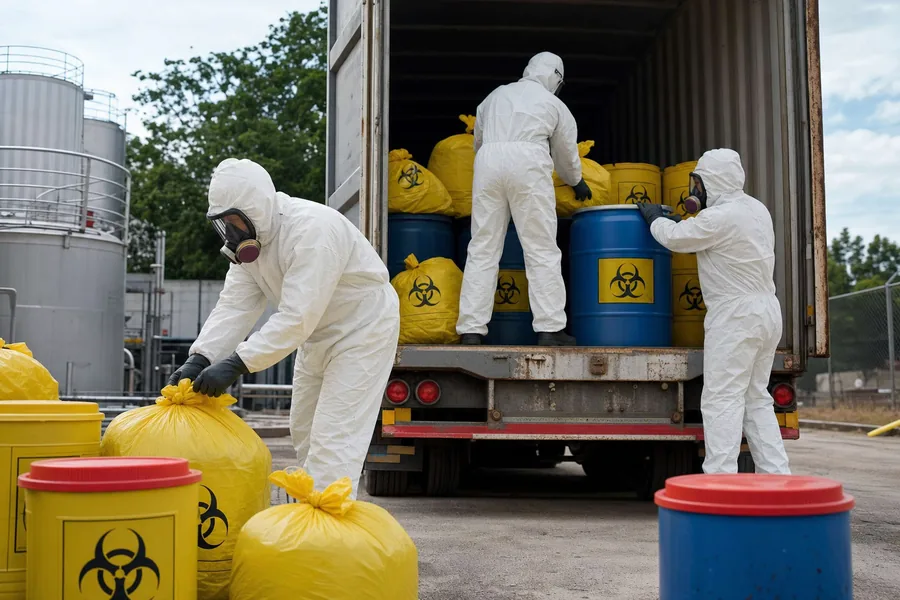
Leak-tight containment, labeling, transport, and disposal of regulated waste at licensed facilities — fully documented for compliance and insurance.
Learn moreWhy regulated hazardous-material work should always be done by a licensed contractor.
| Factor | Total Environmental Containment | DIY / Unlicensed |
|---|---|---|
| Legal compliance (CT DPH) | Fully licensed & compliant | Often illegal for regulated materials |
| Containment | Engineered negative-pressure enclosure | Little or none — fibers spread |
| Worker & family safety | HEPA filtration, PPE, decon chamber | High exposure risk |
| Disposal | Licensed facility, documented | Improper disposal & fines |
| Insurance support | Code-referenced documentation | Claims often denied |
| Clearance testing | Third-party air monitoring | None |
Tell us what you're dealing with — we'll inspect, identify the hazard, and recommend the right scope.
Further reading
Background reading on how each of these services is regulated.
Regulations
Two notification clocks counted differently, the published fee schedule, when notice runs backwards, and what a missed filing actually costs.
Read the postDisposal
Why asbestos is special waste and not hazardous waste, the one-cubic-foot statutory limit, and the single-facility bottleneck that shapes every Connecticut abatement schedule.
Read the postDemolition
Two notification clocks that count days differently, why CT DEEP requires abatement before demolition, and the municipal permit wait that can dwarf both.
Read the post